
Cholesterol Story Part 3
Cholesterol Lipid Hypothesis Part 3
How Does Atherosclerosis Actually Begin?
So far in this series, I have put forth several hypotheses that may cause controversy and that raise questions about how we traditionally think about cardiovascular disease and its treatment. I am comfortable with that.
The purpose of this series is not to tell readers to disregard established guidelines or their physician's recommendations. It is to stimulate a deeper conversation about why cardiovascular disease develops in the first place and where prevention should begin.
Any decision to change a current therapeutic regimen belongs solely between a patient and his or her physician. That decision will reasonably depend upon how much vascular disease has already accumulated over a lifetime, genetic risk, metabolic health, family history, smoking history, blood pressure, lipoprotein burden, inflammatory state, coronary calcium or other evidence of disease, and, importantly, the person's willingness and ability to change modifiable risk factors.
Current American College of Cardiology/American Heart Association guidelines themselves emphasize healthy lifestyle throughout life as the foundation of cardiovascular prevention and recommend clinician-patient risk discussions when deciding whether pharmacologic therapy should be added. (Arnett et. al. 2019)
I believe lipid-lowering pharmacotherapy, including statins, is clearly appropriate for many patients, particularly those with substantial genetic risk, markedly elevated atherogenic lipoproteins, established coronary artery disease, or sufficiently high absolute cardiovascular risk. Medication is also particularly valuable when lifestyle intervention alone cannot adequately modify that risk. (I know from personal experience - sometimes you cannot outrun your family history)
But I would encourage every person to understand the science, understand his or her individual risk, and then discuss with a physician how aggressively lifestyle and other non-pharmacologic therapies can be incorporated alongside appropriate medical therapy.
Ideally, successful upstream intervention may accomplish two things:
1) Reduce the amount of medication required to achieve a therapeutic goal.
2) In appropriately selected lower-risk individuals, potentially delay or avoid the need for medication altogether.
That distinction is important.
Prevention should begin long before disease sets in!
We need to become far more proactive as a culture about reducing cardiovascular risk through behaviors that promote metabolic health, vascular health, movement, sleep, circadian stability, and lower chronic inflammatory burden.
Type 2 diabetes provides an excellent example.
Type 1 diabetes generally results from autoimmune destruction of pancreatic beta cells with loss of endogenous insulin production. Type 2 diabetes is very different. It develops through a complex interaction among genetic susceptibility, insulin resistance, adipose and hepatic dysfunction, diet, physical inactivity, sleep, stress, environmental exposures, and other metabolic influences. And unlike type 1 diabetes, type 2 diabetes can frequently be prevented and, in some patients, can enter remission. International consensus now defines remission as an HbA1c below 6.5% for at least three months without glucose-lowering medication.(Riddle et. al. 2021)
That is an extraordinarily important concept.
Type 2 diabetes should not automatically be viewed as an inexorably progressive disease. Significant dietary change, weight loss when appropriate, regular exercise, improved sleep, stress reduction, and attention to the broader metabolic environment can dramatically improve insulin sensitivity and, in some individuals, produce sustained remission. (Riddle et. al. 2021)
This does not mean that every person with type 2 diabetes can reverse the disease or that medication represents failure. Genetics, duration of disease, pancreatic beta-cell reserve and many other variables matter. It means that the metabolic environment that produced the disease deserves treatment alongside the blood glucose that identifies it.
And that principle brings us directly back to cardiovascular disease.
The cardiovascular benefit of statin drugs is strongly related to lowering LDL and ApoB-containing lipoproteins, and the evidence that lowering these particles reduces cardiovascular events is substantial. But statins also exert biological effects extending beyond simply inhibiting cholesterol synthesis through HMG-CoA reductase. (Task Force Doc)(Blum et. al. 2009)(Oesterle et. el 2017)
These so-called pleiotropic effects include influences on endothelial function, inflammatory signaling, oxidative biology and immune-cell behavior.
One fascinating example comes from autoimmune disease.
Jury and colleagues demonstrated that atorvastatin could restore abnormalities in cholesterol-rich membrane lipid rafts and associated T-cell signaling in patients with systemic lupus erythematosus. (Jury et. al. 2006) The study was not a cardiovascular outcomes trial, but it provides an intriguing mechanistic example of the intersection among cholesterol metabolism, cell membranes and immune signaling.
This is important because atherosclerosis itself is not simply cholesterol accumulating inside a pipe. It is a chronic inflammatory disease of the arterial wall in which atherogenic lipoproteins, vascular biology and the immune system interact over decades.
So what actually happens to an artery?
Let us go deep here and listen to an amazing physician.
Dr. Mark Houston has written extensively about vascular biology, endothelial dysfunction, oxidative stress, inflammation, nutrition and cardiovascular disease. His work emphasizes an important concept: vascular disease reflects a balance between vascular injury and vascular repair. (Houston M. 2014)
That is a useful way to visualize the process.
An artery is lined by a remarkably thin layer of cells called the endothelium. These cells are not passive wallpaper. They regulate vascular tone, nitric oxide production, coagulation, immune-cell trafficking, permeability, repair and communication between circulating blood and the arterial wall.
Under healthy conditions, the vascular system continuously maintains and repairs itself.
But repeated biological stress can alter that balance.
Mechanical stress includes hypertension and abnormal hemodynamic forces.
Chemical and metabolic stress can include smoking, hyperglycemia, insulin resistance, oxidative stress, inflammatory signaling, certain environmental toxicants, abnormal lipid exposure and other disturbances in vascular biology.
Houston describes oxidative stress, inflammation and immune dysfunction as interconnected vascular responses capable of promoting endothelial dysfunction and cardiovascular disease. (Houston M. 2014)
Aside: listen to Dr. Houston discuss this topic in Podcast #65: Apple or Dr. M's Site
There are hundreds of potential influences on vascular health, but for purposes of this discussion I think about five broad categories:
1) Macronutrient and metabolic balance
Carbohydrate, fat and protein intake influence insulin signaling, triglycerides, lipoprotein composition, glucose metabolism and energy balance.
2) Micronutrient sufficiency
Vitamins, minerals and other micronutrients participate in antioxidant systems, mitochondrial function, endothelial signaling and countless enzymatic reactions.
3) Genetics
Variants affecting LDL receptors, ApoB, PCSK9, ApoE, Lp(a), inflammatory pathways and other systems can substantially alter lifetime cardiovascular risk.
4) The microbiome and mucosal environment
Gut and oral microbial communities can influence systemic inflammatory signaling and generate metabolites capable of interacting with cardiovascular physiology.
5) Environmental exposures
Smoking and numerous environmental exposures can contribute to oxidative stress, inflammation and endothelial injury.
None of these operate alone.
Cardiovascular disease is a continuum-and-combination problem.
One of the recurring biological processes connecting these risk factors is oxidative stress.
Reactive oxygen species are not inherently bad. They are essential signaling molecules and are also generated during normal cellular metabolism (burning fuel for action) and by immune cells attempting to destroy pathogens. This is akin to your car's engine burning gasoline and releasing particulate matter and carbon monoxide.
The problem occurs when oxidant production overwhelms the body's antioxidant and repair systems.
Reactive oxygen species contain chemically reactive electrons capable of modifying proteins, lipids, DNA and cellular membranes. During an infection, controlled production of these molecules helps immune cells kill bacteria and viruses. When excessive oxidant activity occurs chronically within our own tissues, however, those same chemical reactions can damage our cells and alter normal cellular signaling. (Slauch et. al. 2011)
The artery is particularly important in this discussion because oxidative stress can impair nitric oxide signaling, promote inflammatory activation and modify lipoproteins retained within the arterial wall, the genesis of atherosclerrosis.
Now we can begin assembling the pieces.
Imagine someone who carries a genetic variant that increases PCSK9 activity,
a gain-of-function mutation that accelerates the degradation of hepatic LDL receptors. With fewer LDL receptors available, LDL particles remain in circulation longer and blood LDL concentrations rise. (Horton et. al. 2009) Now imagine that the same individual has an ApoE genotype associated with altered lipoprotein handling, insulin resistance, elevated triglycerides and an abundance of smaller, denser LDL particles.
High-carbohydrate ultra processed dietary patterns, particularly those producing hypertriglyceridemia and insulin resistance, can shift LDL distribution toward smaller, denser particles. These particles demonstrate several potentially unfavorable properties, including greater susceptibility to oxidation and increased interaction with arterial wall cells. (Krauss et. al. 2001)
Add cigarette smoking, hypertension, hyperglycemia, poor sleep, environmental exposures and chronic inflammation.
Now the artery is encountering multiple signals simultaneously.
This is where I think the cholesterol-versus-inflammation argument becomes unnecessarily binary.
It isn't either/or.
The particle meets the artery wall.
ApoB-containing lipoproteins circulating through the blood enter the arterial intima. One of the earliest and best-supported events in atherosclerosis is the retention of these particles within the subendothelial space, where ApoB interacts with arterial proteoglycans.(Houston M. 2014)
This point deserves an important refinement from the way atherosclerosis has historically been described.
The LDL particle does not necessarily need a physical “hole” in the endothelium through which it squeezes. Lipoproteins continuously interact with and cross the endothelial barrier. Endothelial dysfunction, inflammation and altered vascular biology can increase their delivery and retention, but retention of ApoB-containing particles within the arterial wall appears to be one of the critical initiating events in atherogenesis. (Houston M. 2014)
Once retained, these lipoproteins can undergo oxidative and enzymatic modification.
Now the immune system becomes deeply involved.
Modified lipoproteins activate endothelial and innate immune signaling. Monocytes are recruited from the bloodstream, enter the arterial wall and differentiate into macrophages. These macrophages engulf modified lipoproteins through scavenger receptors.
As lipid accumulates within them, they become the characteristic foam cells of early atherosclerosis.
What began as a lipoprotein-retention problem has now become an immune and inflammatory problem.
And once again, the two mechanisms are not competing explanations.
They are sequential pieces of the same disease.
Over years and decades, repeated retention of ApoB particles, macrophage recruitment, inflammatory signaling, cell death and attempted tissue repair can produce an increasingly complex atherosclerotic lesion.
Smooth-muscle cells migrate and proliferate. Extracellular matrix is deposited. A fibrous cap forms over a lipid-rich and inflammatory core. (Houston M. 2014)
The body is, in a sense, trying to wall off the problem.
Eventually, some plaques become unstable.
If the fibrous cap erodes or ruptures, highly thrombogenic material within the plaque is exposed to circulating blood. Platelets activate and the coagulation cascade rapidly generates a thrombus/clot while simultaneously recruiting more immune cells to the fight.
From here, several things can happen.
A small clot may organize and heal, becoming incorporated into the plaque and contributing to its gradual enlargement. Repeated episodes of subclinical plaque disruption and healing can therefore leave layers within an atherosclerotic lesion, like rings of a tree or almost like geological strata recording previous vascular injury.
But if a sufficiently large thrombus abruptly obstructs coronary blood flow, oxygen delivery to downstream heart muscle falls dramatically.
That is a myocardial infarction, what we call a heart attack.
Notice what has happened.
We began with genetics, metabolism, environmental exposures and vascular stress.
Then came ApoB-containing lipoproteins.
Then arterial retention.
Then lipoprotein modification.
Then innate immunity.
Then macrophages and foam cells.
Then chronic inflammation.
Then attempted repair.
Then plaque formation.
And finally, potentially, thrombosis.
A heart attack may occur in minutes, but the biological story leading to it has often been unfolding for decades.
And what about infection?
There is another fascinating piece of this story that deserves attention, although the evidence here is considerably less established than the ApoB-retention model.
Researchers have identified bacterial DNA and bacterial biofilm-like structures within human atherosclerotic plaques.
Lanter and colleagues examined carotid plaques from patients with advanced atherosclerosis and detected bacterial 16S rRNA genes in all 15 specimens studied. Their work demonstrated biofilm deposits within these plaques and proposed that biofilm dispersion might contribute to inflammatory activity and plaque instability.(Lanter et al. 2014)
This is provocative science.
(Listen to this weeks repost with Dr. Thompson to explore the dental connection to ASCVD)
But we need to be precise about what it proves.
It does not establish that bacterial infection is the primary cause of human atherosclerosis, nor does it prove that treating bacteria prevents heart attacks.
What it tells us is that the relationship among oral health, intestinal microbial ecology, microbial translocation, immune activation and vascular disease deserves continued investigation.
Once again, cardiovascular disease appears less like clogged plumbing and more like a complex interaction among metabolism, lipoproteins, vascular biology, immunity, microbes and time.
And that brings me to the central point of this entire series.
The earlier we understand the biology, the earlier we can intervene
If cardiovascular disease develops over decades, prevention cannot begin at age 60 when a coronary calcium scan becomes abnormal.
The biology begins much earlier.
Insulin resistance begins earlier.
Hypertension begins earlier.
Abnormal lipoprotein patterns begin earlier.
Smoking and environmental exposures begin earlier.
Poor dietary habits begin earlier.
Sedentary behavior begins earlier.
And vascular biology responds to those signals long before someone experiences chest pain.
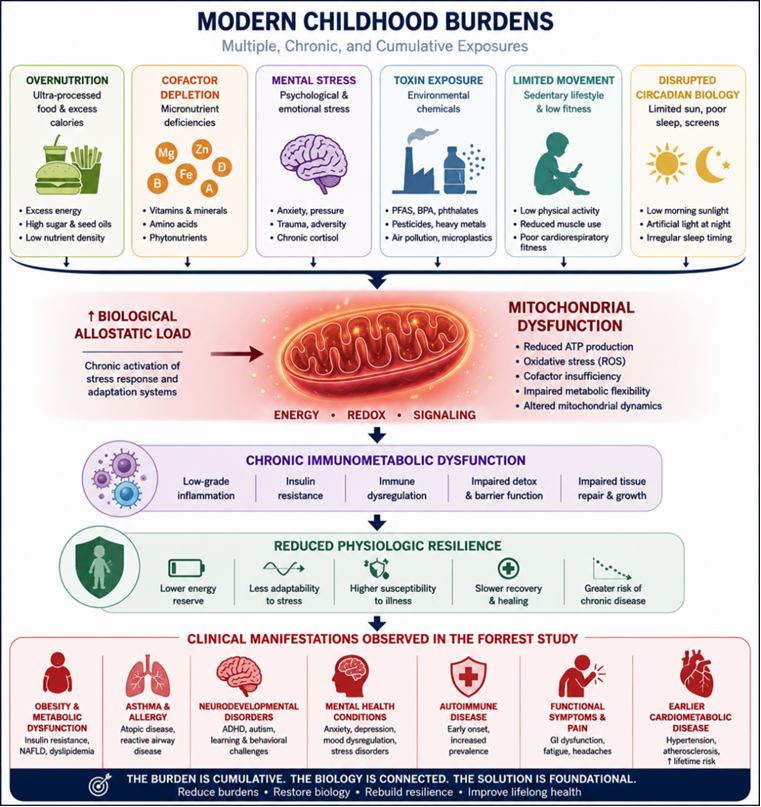
That is why I believe this is ultimately a conversation we should be having with parents and children.
Not because children need to fear heart attacks.
Quite the opposite.
They need to understand that cardiovascular disease is not simply something that mysteriously happens when people become old.
It is frequently the culmination of genetics interacting with thousands of daily biological choices and environmental exposures over decades.
Genes influence the starting hand.
Environment and behavior influence how that hand gets played.
And medicine becomes increasingly important as accumulated risk and disease burden rise.
The goal should never be medication versus lifestyle.
The goal should be to understand the biology early enough that we can use the least intervention necessary to achieve the greatest lifetime health.
Next week, we will walk through plaque formation step by step from the first retained ApoB-containing particle to the mature atherosclerotic plaque.
Staying alive despite my genetic risks,
Dr. M
Part 1
Part 2
Part 3
Part 4


Comments